

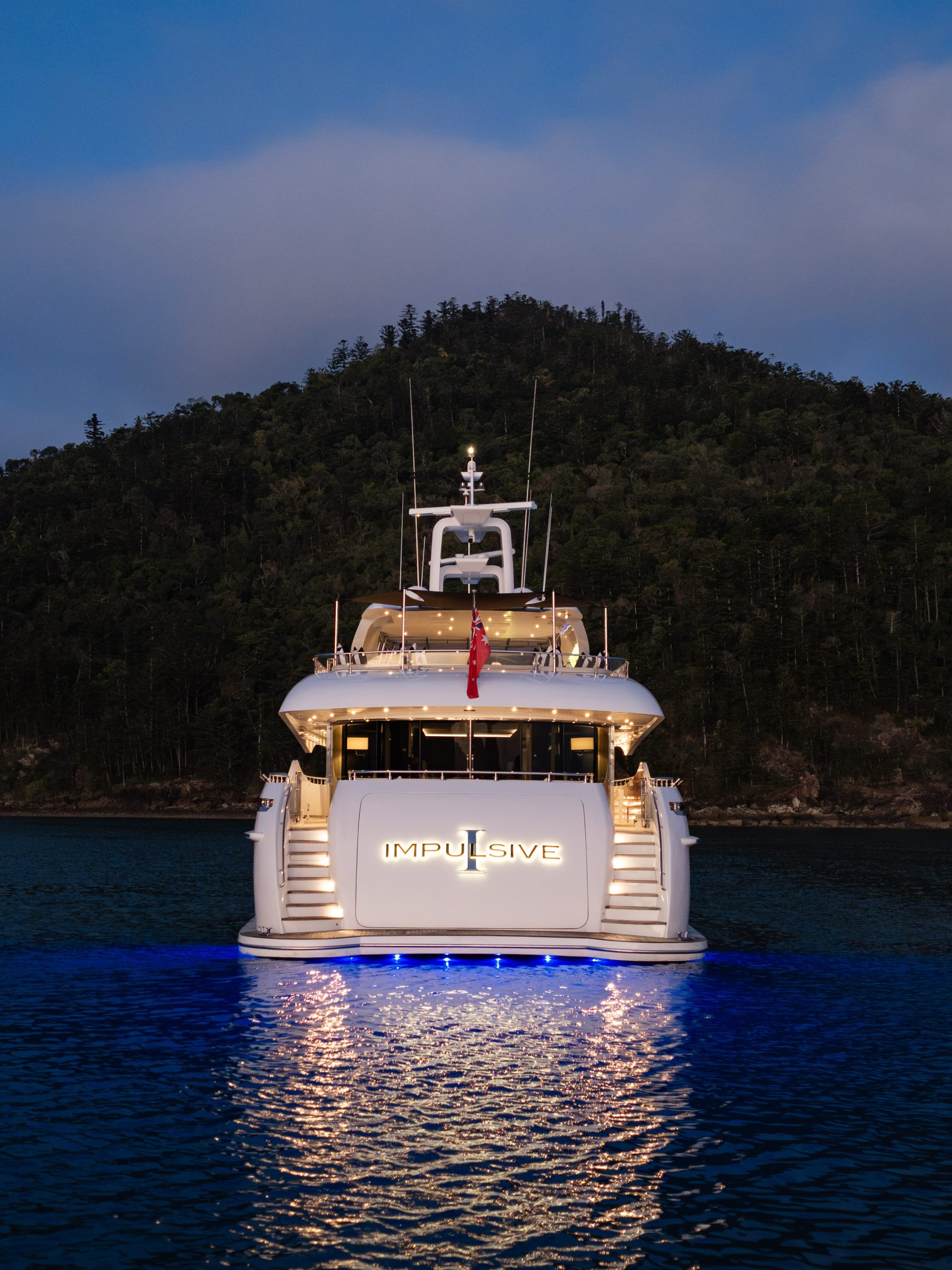
The Whitsundays are warm all year, which is part of the appeal. But the weather, the crowds and what you can do in the water change through the year. IMPULSIVE is based in the Whitsundays from October to June, so here is how that season breaks down.
At a glance
- IMPULSIVE is in the Whitsundays from October to June, with February in Brisbane.
- For calm weather and quiet anchorages, aim for October, November, May or June.
- 21 December to 4 January is peak season, with a five-night minimum.
October and November
This is one of the best windows. Days are warm and mostly dry, the wind is usually lighter than mid-winter, and the beaches are quiet before the summer holidays. Water visibility for snorkelling is often excellent.
December to February
Summer brings the heat, the school holidays and the busiest weeks of the year around Christmas and New Year. It is also the wet season, so expect humid days and the odd heavy afternoon storm that clears quickly. Book early for this period. On IMPULSIVE, 21 December to 4 January is peak season with a five-night minimum.
March and April
The wet season eases through autumn and Easter is popular. IMPULSIVE spends February in Brisbane, so Whitsundays charters pick up again from March.
Late autumn into early winter is a favourite with people who know the area.
May and June
Late autumn into early winter is a favourite with people who know the area. The humidity drops and skies are clear. The south-east trade winds can be stronger, but the islands give plenty of sheltered anchorages, and the Captain will plan around them.

So when should you go?
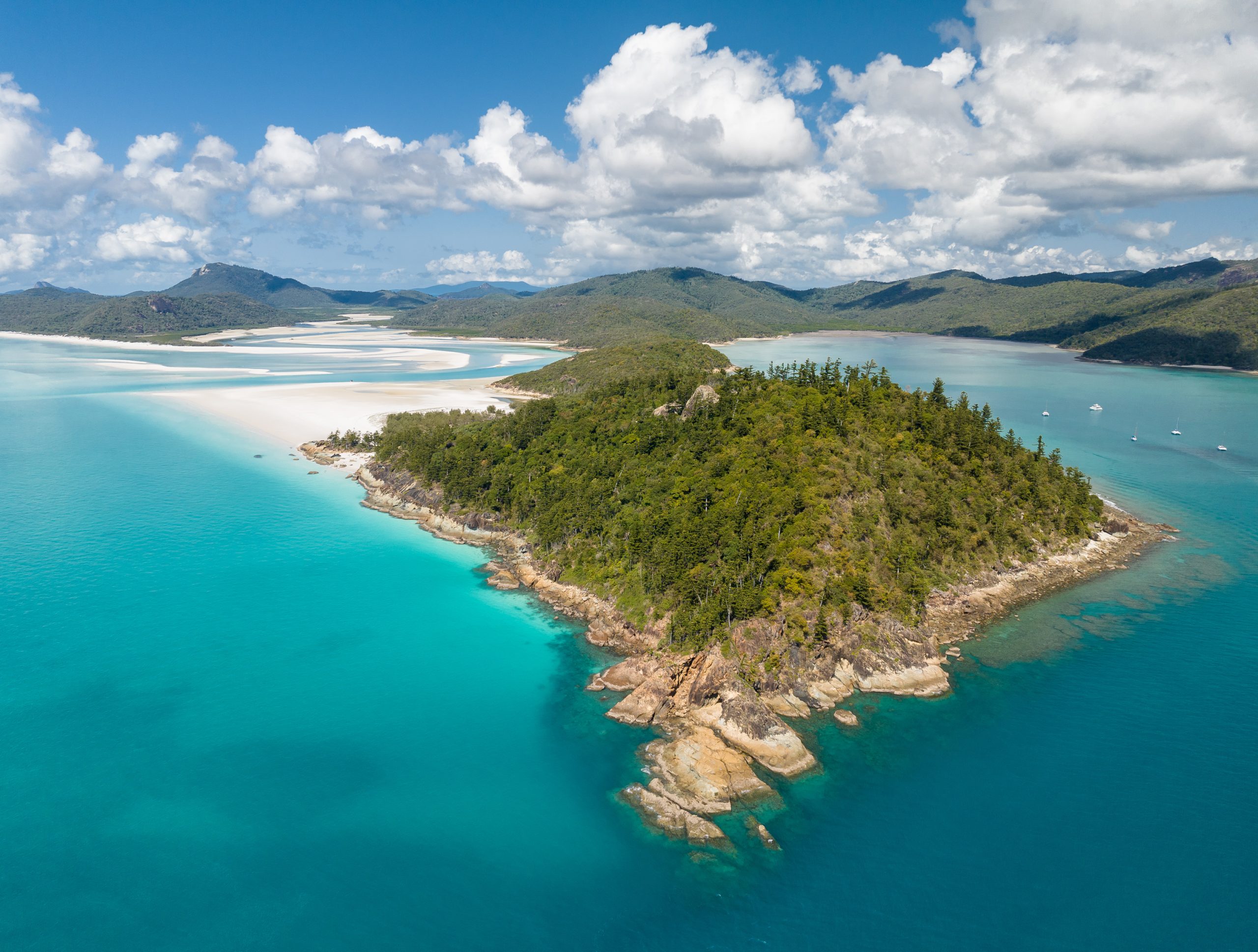
For calm, warm weather and quiet anchorages, aim for October, November, May or June. For a family trip in the school holidays, December and January work well, as long as you book early. Whenever you go, Whitehaven Beach and Hill Inlet look their best at low tide, and the crew will time the day around it.
See our Whitsundays charter page and sample itineraries, or ask us about dates.


